Blog

  • BRUSHING PROCEDURE

    BRUSHING PROCEDURE

    The best brushing technique for optimal oral health involves both the right tools and the correct method. Here’s a step-by-step guide:

    1. Choose the Right Toothbrush

    • Manual or Electric: Either can work well if used correctly. Electric brushes are easier for some, as they tend to do the brushing for you with gentle oscillations.
    • Soft Bristles: Avoid hard bristles as they can damage your gums and enamel. Soft bristles are gentle yet effective at cleaning.

    2. Use the Right Toothpaste

    • Fluoride: Make sure your toothpaste contains fluoride to help prevent cavities and strengthen tooth enamel.
    • Amount: You only need a pea-sized amount for effective cleaning.

    3. Proper Brushing Technique

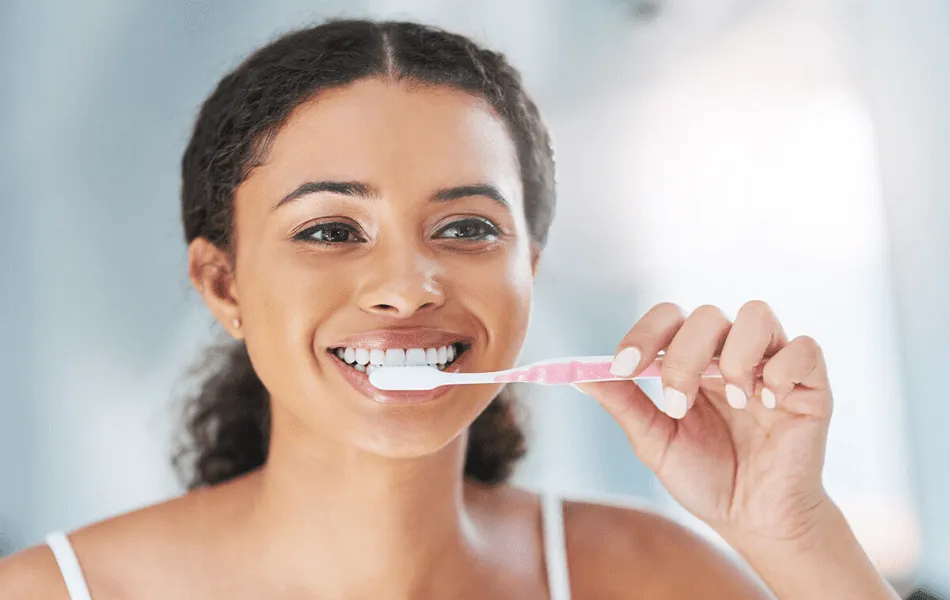
    • Hold the Brush at a 45° Angle: Position the toothbrush at a 45-degree angle to your gums. Gently move the brush back and forth in short (tooth-wide) strokes.
    • Gentle Pressure: Don’t press too hard, as this can lead to gum damage and enamel erosion.
    • Brush All Surfaces: Make sure to brush the outer, inner, and chewing surfaces of your teeth, as well as the tongue to remove bacteria.
    • Back-and-Forth Motion: Start at the back of your mouth and move forward. Ensure that you reach the back molars, which are often neglected.

    4. Time Your Brushing

    • 2 Minutes: Brush for at least two minutes to thoroughly clean all your teeth.
    • Even Timing: If you use an electric toothbrush, many have built-in timers that help. If you’re brushing manually, try to divide your mouth into quadrants (upper left, upper right, lower left, lower right) and spend 30 seconds per section.

    5. Don’t Forget Your Gums

    • Gentle Gum Stimulation: Brush your gums gently. Don’t scrub hard—just massage them lightly to stimulate blood flow.

    6. Rinse and Clean the Brush

    • After brushing, rinse your mouth with water or mouthwash.
    • Clean your toothbrush thoroughly and store it in an upright position to allow it to dry.

    7. Floss After Brushing

    • Flossing removes plaque and food between your teeth that your toothbrush can’t reach. Make it a daily habit!

    8. Brush Twice a Day

    • Brush in the morning and before bed to remove plaque and prevent cavities.
  • ALIGNERS

    https://www.youtube.com/watch?v=arBLLoeInVw

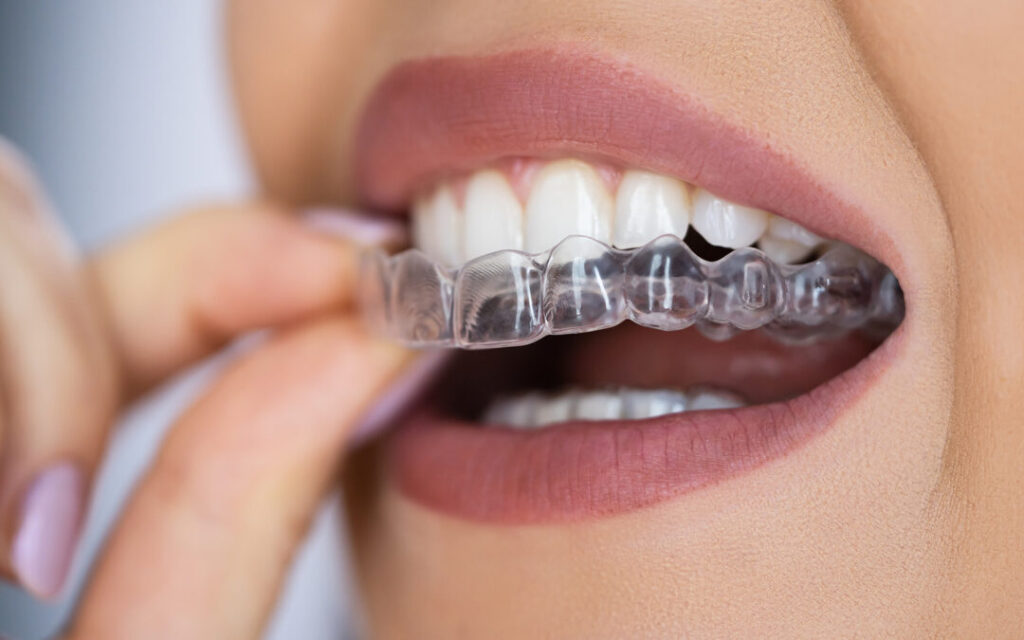
    Dental aligners are clear, custom-made plastic trays that are used to straighten teeth. They’re an alternative to traditional metal braces and are often preferred for their discreet appearance and comfort. Here’s a brief overview of how they work and what you might want to know about them:

    How They Work:

    1. Customization: Aligners are made based on impressions or digital scans of your teeth, ensuring they fit your mouth perfectly.
    2. Gradual Shifting: Each set of aligners is designed to shift your teeth in small increments over time. You’ll typically switch to a new set of aligners every one to two weeks.
    3. Clear and Discreet: The aligners are transparent, making them less noticeable than metal braces, which is why they’re a popular choice for adults and teens.
    4. Removable: Unlike braces, which are fixed to your teeth, aligners can be removed for eating, drinking, brushing, and flossing. This makes maintaining oral hygiene easier.

    Advantages:

    • Aesthetics: Clear aligners are much less visible than traditional braces.
    • Comfort: Without the metal brackets and wires of braces, there’s less chance of irritation.
    • Removable: You can take them out when you eat or brush your teeth, making it easier to maintain oral hygiene.
    • Predictable Results: Many aligner systems, like Invisalign, use software to map out the treatment process, allowing you to visualize the end result before you even start.

    Disadvantages:

    • Discipline Required: Since they are removable, it’s important to wear them for 20–22 hours a day to achieve the desired results.
    • Not for Everyone: Aligners might not be suitable for all types of dental issues, especially severe misalignments or bite problems.
    • Cost: Aligners can be more expensive than traditional braces, though this can vary depending on the brand and treatment plan.
  • EAR

    The decibel (dB) scale for human hearing:

    The Minimum: 0 dB

    The “absolute threshold of hearing” for a young, healthy adult is 0 dB.

    It’s a common misconception that 0 dB means “no sound.” In reality, decibels are a logarithmic scale used for comparison. 0 dB is simply the quietest sound a human ear can detect (like a mosquito flying 10 feet away in a perfectly silent room).

    • Fun Fact: Some people with exceptional hearing can actually hear into the negatives (e.g., -5 dB).
    • The Physical Limit: If our ears were any more sensitive, we would constantly hear the sound of air molecules bumping into our eardrums!

    The Maximum: 120 dB to 140 dB

    There isn’t a “limit” to what you can hear, but there is a limit to what you can hear safely.

    • 120 dB (The Threshold of Discomfort): This is where sound starts to feel physically uncomfortable. Think of a loud rock concert or a chainsaw.
    • 130 dB (The Threshold of Pain): At this level, your ears will likely hurt. Physical damage can happen almost instantly.
    • 140 dB+ (Immediate Trauma): Sounds like a jet engine taking off or a gunshot at close range. This can cause immediate, permanent hearing loss or a ruptured eardrum.

    Why the “Safe” Max is Lower Than You Think

    While we can hear up to 140 dB, the “maximum” for daily life is much lower. Health organizations generally agree that:

    • 85 dB is the safety limit for long-term exposure (about 8 hours).
    • For every 3 dB increase above that, the safe listening time is cut in half.
    Sound LevelCommon ExampleSafe Exposure Time
    30 dBWhisperUnlimited
    60 dBNormal ConversationUnlimited
    90 dBHair Dryer / Lawnmower~2 Hours
    110 dBShouting in Ear / Nightclub~2 Minutes
    140 dBFirecrackerInstant Damage

  • Hello world!

    Welcome to WordPress. This is your first post. Edit or delete it, then start writing!